Electric Hoists: The "Light Cavalry" of Industrial Lifting
In modern industrial production and construction, electric hoists, with their flexibility, efficiency, and ease of operation, have become essential equipment for lifting and moving heavy objects. From steel structure installation to inverted tank welding, from bridge construction to shaft management, electric hoists are ubiquitous, earning them the nickname "light cavalry" of the industrial sector. This article will analyze the core value and key usage points of electric hoists from four perspectives: technical principles, application scenarios, operating procedures, and maintenance.
I. Technical Principles: Compact Structure and Integrated Functions
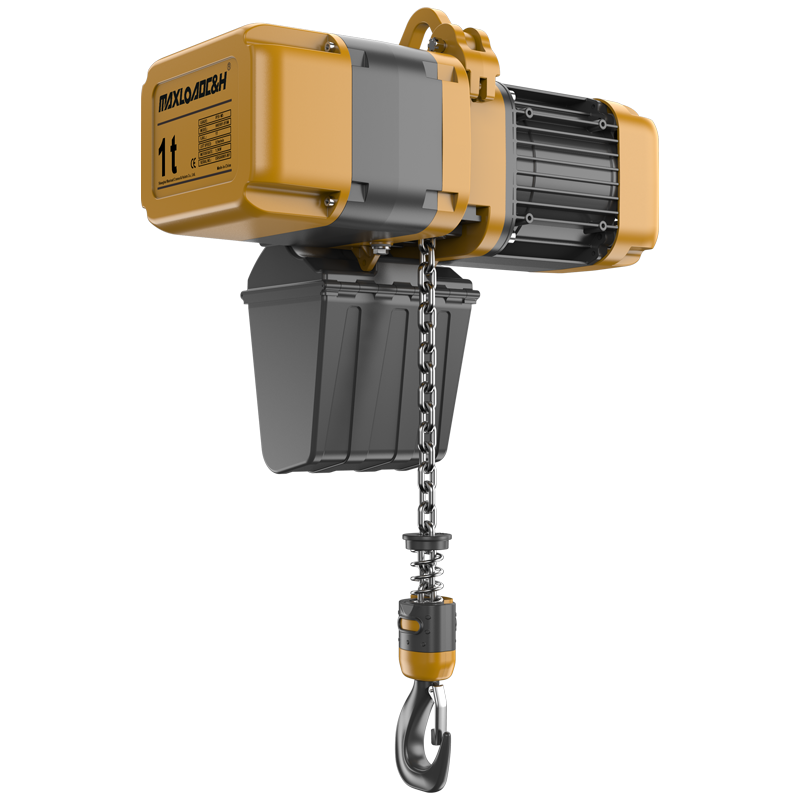
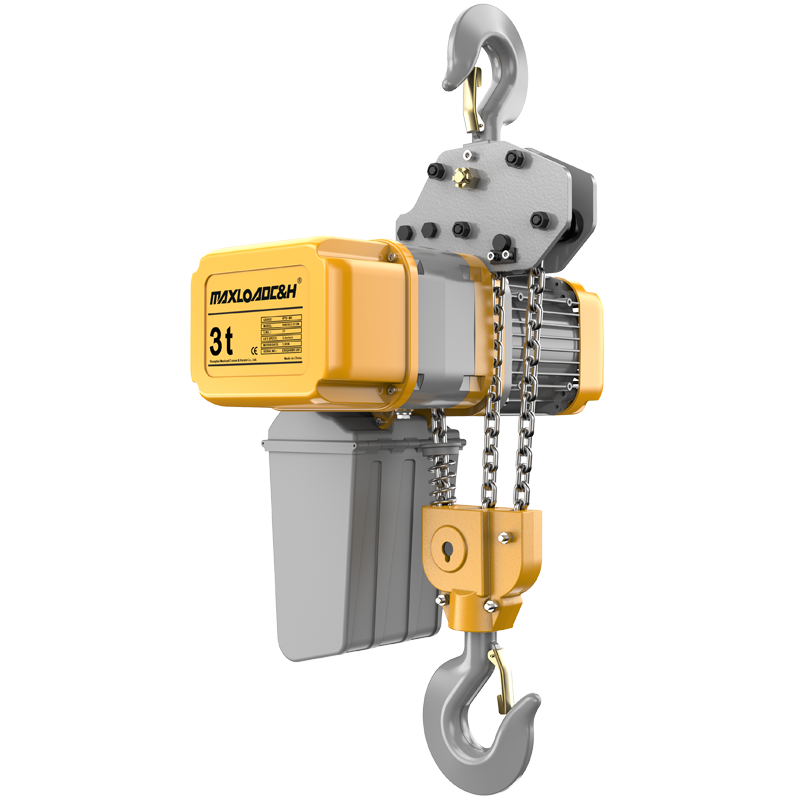
Electric hoists primarily consist of a motor, transmission mechanism, drum or sprocket, brake device, and electrical control system. Based on their structure, they can be categorized into two main types: wire rope hoists and chain hoists. Their technical advantages include:
Modular design: The motor, reducer, and drum are integrated into a single unit, resulting in a compact design, lightweight, and flexible installation. For example, with the motor axis parallel to the drum axis, the height and length are significantly reduced, making them suitable for operations in confined spaces.
Comprehensive Safety Features: Equipped with a flameout limiter and overload protection devices, they ensure safe operation. Taking a CNC electric hoist as an example, its controller supports manual, centralized, and automatic modes. Height ratios and program execution can be set via the touchscreen for precise control.
Highly adaptable: Explosion-proof electric hoists utilize flameproof motors and sealed structures, making them suitable for flammable and explosive environments such as the chemical and mining industries. Corrosion-resistant models are galvanized to resist moisture and corrosive gases.
II. Application Scenarios: A "Universal Tool" Covering the Entire Industry Chain
Electric hoists are widely used across various industries, including construction, manufacturing, logistics, and energy:
Construction: In high-rise building construction, group electric hoists can simultaneously lift multiple wall mounts, achieving overall steel structure elevation, increasing efficiency by more than three times compared to traditional methods.
Industrial Manufacturing: In automotive production lines, electric hoists are used for precise lifting of components such as engines and gearboxes, maintaining positioning errors within ±1mm.
Logistics and warehousing: Electric chain hoists, thanks to their lightweight design, have become standard equipment in automated warehouses. An e-commerce logistics center deployed 200 one-ton electric hoists, increasing cargo sorting efficiency by 40%. Special Operating Conditions: During nuclear power plant maintenance, corrosion-resistant electric hoists are made of stainless steel to withstand radiation and high temperatures. During oilfield operations, explosion-proof electric hoists are equipped with hydrogen concentration monitoring systems to ensure safe operation.
III. Operating Standards: Safety First, Efficiency Supreme
Operating an electric hoist must strictly follow the following procedures:
Pre-use Inspection:
Confirm that the wire rope is not broken or tangled, and the chain is not twisted or worn.
Check that the power cord is properly insulated and grounded.
Test the limiter sensitivity to ensure that it automatically shuts off when the load reaches its limit.
Lifting Operations:
When lifting for the first time, pause 100 mm above the ground and check the braking performance.
Keep the load no higher than 1.5 meters above the ground to avoid lateral forces.
Do not overload. For example, a 5-ton electric hoist should not lift more than 5.5 tons. Troubleshooting:
If the motor makes a humming sound, immediately stop the machine and check the power phase.
If the reducer is leaking oil, tighten the housing bolts or replace the sealing ring.
If a load falls uncontrollably, press the emergency stop button and lower the load to an unoccupied area.
IV. Maintenance: Extending Life and Reducing Failures
Proper maintenance is key to efficient electric hoist operation:
Daily Maintenance:
Clean the equipment surface from oil and dust after each shift.
Check the wire rope lubrication weekly and apply calcium-based grease.
Tighten all connecting bolts and test the brake pad thickness monthly.
Regular Maintenance:
Replace the reducer lubricant quarterly; industrial gear oil is recommended.
Test the motor insulation resistance every six months to ensure it is no less than 0.5 MΩ.
Entrust a professional agency to perform non-destructive testing annually to detect potential hazards such as drum cracks.
Spare Parts Management:
Stock frequently worn parts, such as wire rope clamps and coupling sleeves.
Establish equipment records to record maintenance times, replaced parts, and malfunctions.
V. Industry Trends: Intelligence and Greening
With the advancement of Industry 4.0 and the "Dual Carbon" goals, electric hoists are developing in the following directions:
Intelligent Upgrades: Integrated IoT sensors monitor parameters such as load, temperature, and vibration in real time, enabling cloud-based analysis and fault prediction.
Energy Savings: Permanent magnet synchronous motors reduce energy consumption by 20% compared to traditional asynchronous motors.
Modular Design: Supports rapid replacement of motors, drums, and other components, reducing repair time to less than an hour.
As the "light cavalry" of industrial lifting, electric hoists are undergoing a profound transformation in production through technological evolution and expanded applications. Enterprises must fully control the entire process, from selection to operation and maintenance, to maximize their effectiveness and gain an advantage in the fiercely competitive market.
 0086 156 1824 5535
 0086 156 1824 5535