Electric Hoist Selection: From Needs to Safety, Precise Matching in Five Key Dimensions
As core equipment for industrial lifting, electric hoists have a direct impact on operational efficiency and safety. This article will analyze the selection process based on actual usage scenarios, helping you avoid common misconceptions and achieve "customized selection."
Ⅰ. Scenario-Driven Configuration
The electric hoist's application scenario determines its parameter selection. For example, frequent short-distance handling within a warehouse prioritizes a "light-load, high-speed" model, while high-altitude work in steel structures requires a "heavy-load, low-speed" model with a "dual brake system." First, consider the specific working conditions:
Lifting Capacity: Determine the base load based on the maximum single lift weight plus a 20% safety margin to avoid overloading or wasting resources by "overloading a small vehicle."
Lifting Height: Considering the building height, equipment height, and operating space, allow at least 5% travel margin to accommodate special lifting requirements.
Frequency: For high-frequency operations, select a model with a higher heat-resistant motor and longer gearbox lubrication intervals to reduce maintenance frequency.
Ⅱ . Drive System Selection
The drive system is the heart of the electric hoist and should be selected based on lifting characteristics:
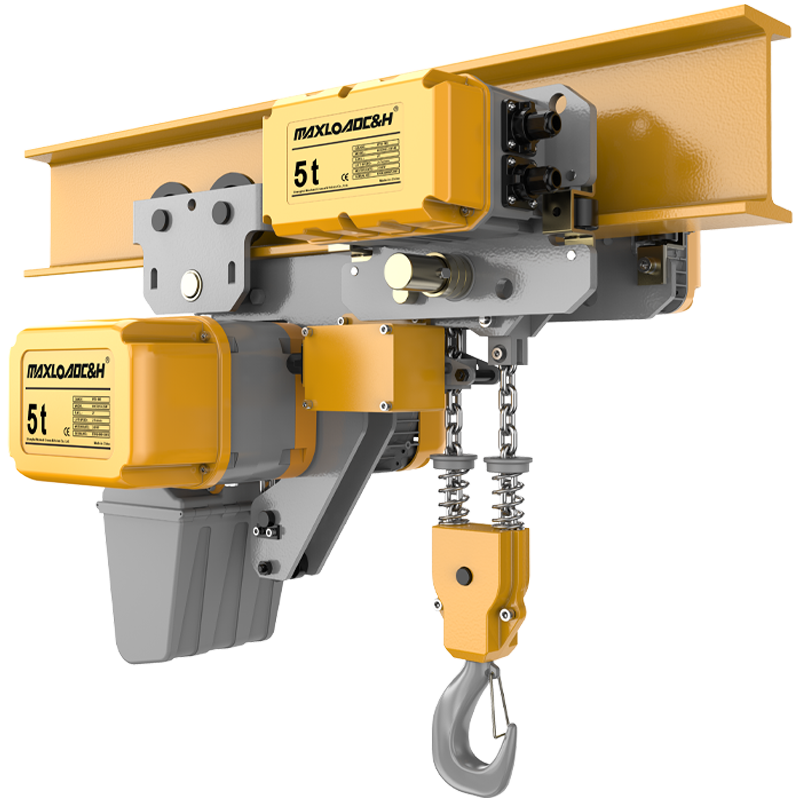
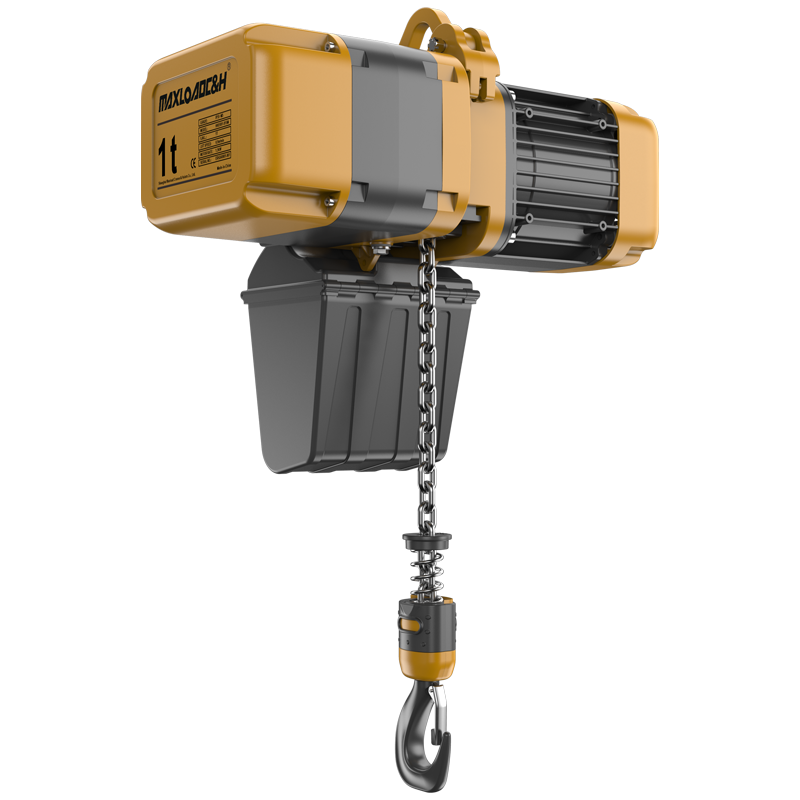
Chain electric hoist: The chain's lightweight and compact size make it suitable for indoor applications with limited space. The sprocket design allows for precise fine-tuning, making it ideal for precision assembly work.
Wire rope electric hoist: The wire rope's strong tensile strength makes it suitable for outdoor use in open air, high-temperature, or corrosive environments. The drum design enables long-distance lifting, making it suitable for large-span operations in ports and shipbuilding.
Note: The wire rope should be regularly coated with anti-rust oil, and the chain should be inspected for wear. The difference in maintenance costs between the two should be factored into long-term considerations.
Ⅲ. Control Mode Adaptation: The Evolutionary Path from Manual to Intelligent
The control mode directly impacts operational efficiency and safety and must be tailored to suit operator preferences and the complexity of the application:
Button control: The basic model offers simple operation and is suitable for single-person, single-device, fixed operations.
Remote control: Wireless operation within 30 meters is suitable for coordinated operation of multiple devices or in high-altitude hazardous areas. Anti-interference capabilities and battery life should be verified. Intelligent Control: Supports functions such as variable frequency speed regulation, fault self-diagnosis, and load display. It is suitable for automated production lines or high-precision lifting needs, but system compatibility costs must be evaluated.
Ⅳ. Safety Standard Verification
Safety is the bottom line when selecting suitable equipment. The following aspects should be carefully checked:
Overload Protection: Mechanical or electronic overload limiters must automatically shut off power when the load exceeds 10% to prevent accidents caused by forced lifting.
Limit Devices: Upper and lower limit switches must be precisely triggered to prevent top or bottoming out; a dual limit design provides a double safeguard.
Protection Rating: IP44 or higher is required for ordinary indoor environments, and IP55 or higher is required for outdoor or humid environments. Dust and water resistance directly impact the lifespan of the equipment.
Emergency Stop: The red mushroom-shaped emergency stop button must respond within 0.5 seconds and must be manually reset to avoid the risk of accidental activation.
Ⅴ. Installation Environment Compatibility
The installation environment is often overlooked, yet it directly impacts equipment performance:
Power Supply Compatibility: Single-phase 220V/three-phase 380V must be consistent with the on-site power supply. Voltage fluctuations within ±10% require a voltage stabilizer.
Track Type: I-beam tracks must match the hoist wheel diameter. Sloped tracks must be equipped with anti-slip devices to prevent slippage.
Space Constraints: Low-rise workshops require a compact design. High-temperature workshops require cooling fans. Corrosive environments require a stainless steel casing or special coating.
Conclusion: The essence of selection is "matching," not "optimization."
There is no "one-size-fits-all" formula for selecting an electric hoist. A comprehensive assessment must be conducted based on the specific operating conditions, safety standards, and long-term costs. A four-step process is recommended: "Requirements List - Parameter Comparison - Safety Verification - Environmental Compatibility." If necessary, invite a professional for an on-site survey. Remember: The right fit is the best—this is both a guarantee of efficiency and the corners tone of safety.
 0086 156 1824 5535
 0086 156 1824 5535
 kimliu@chnhoist.com