Stage Climbers: Mechanical Poems Hidden in Light and Shadow
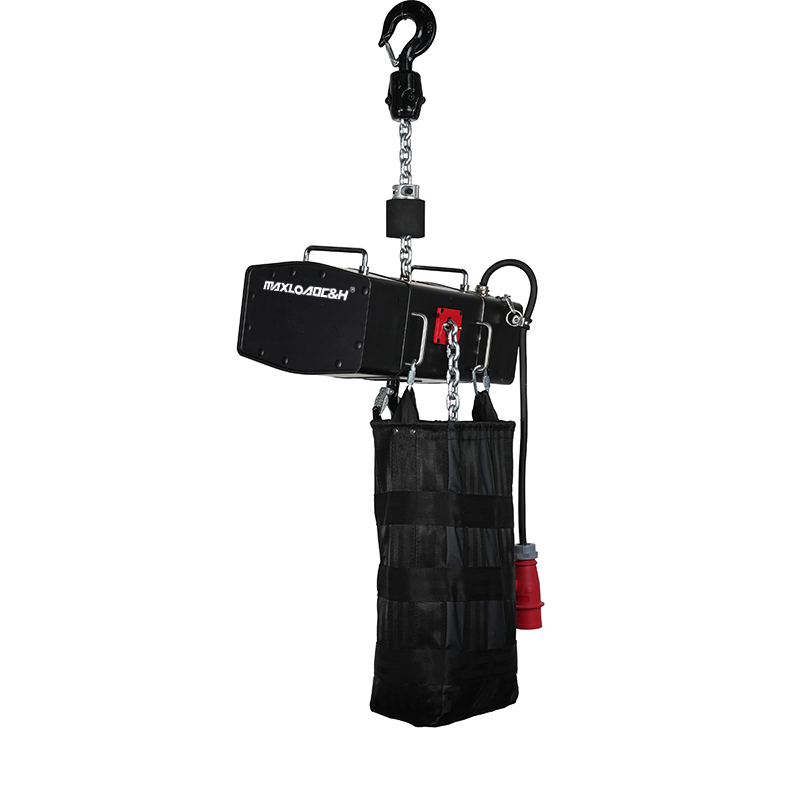
In the shadows of the theater dome, in the steel forest untouched by spotlights, a group of silent guardians is precisely supporting the weight of art. They are called stage climbers—electric lifting devices designed specifically for the stage. Like mechanical poets hidden behind the scenes, they use their steel bodies to write the spatial narrative of each performance. From the colonnades of ancient Greek temples to the 360-degree panoramic screens of modern immersive theaters, stage climbers have always been an invisible bridge connecting human imagination and physical reality.
I. Spatial Sculptors of Stage Aesthetics
When the audience is immersed in the slow descent of the crystal chandelier in *The Phantom of the Opera*, few notice the mechanical heart driving this visual feast. Stage climbers, through precise displacement control, transform the director's spatial and temporal vision into a three-dimensional reality. Vertically, they allow actors to suspend like angels in mid-air, or to bring giant props down from the sky to create dramatic tension; horizontally, through the coordinated operation of the track system, seamless scene transitions are achieved. This spatial manipulation capability allows the theater to break through the physical limitations of the traditional proscenium stage.
Modern stage hoist systems have developed intelligent cluster control technology, enabling multiple devices to achieve millimeter-level synchronized movement through a bus system. In one immersive theater production, twelve miniature hoists worked in concert to vertically rotate the entire restaurant scene 90 degrees, allowing the audience to experience narrative transitions in a sense of weightlessness. This spatial reconstruction capability is redefining the physical boundaries of the "stage."
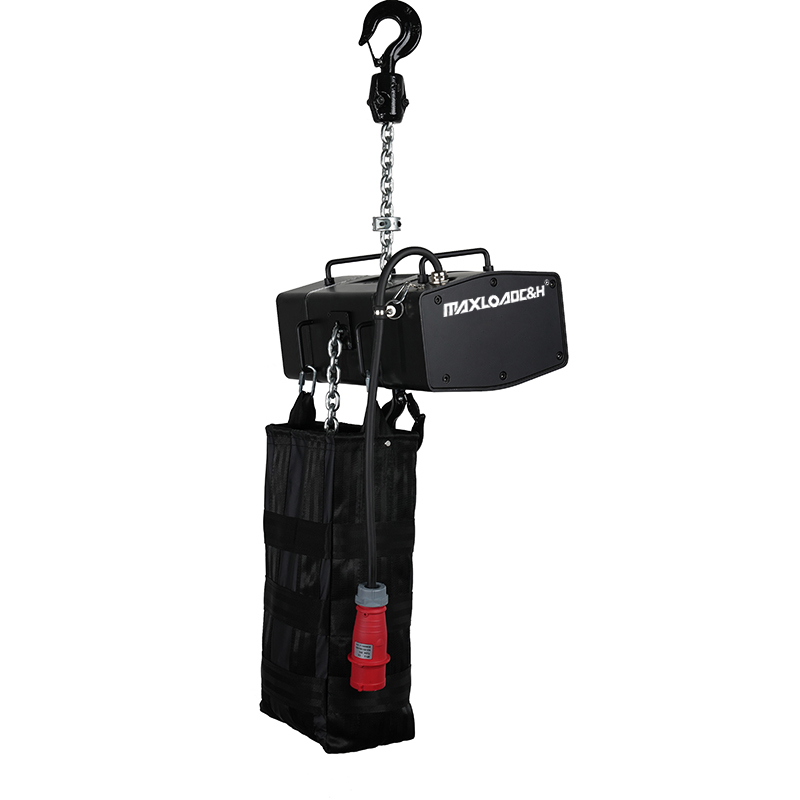
II. The Artistic Tenderness of a Steel Body
The seemingly cold mechanical system actually contains precise artistic considerations. The load calculation of the stage hoist must take into account the weight of the props and dynamic inertia, and the speed curve design must match the rhythm of the music and emotional fluctuations. In a ballet prop lifting project, engineers adjusted the acceleration parameters to create a perfect resonance between the falling trajectory of the petals and the dancers' rotations, creating a poetic dialogue between mechanical and human movement.
Silent design is an essential artistic skill for stage hoists. Using high-polymer material gear sets and pneumatic buffer devices, operating noise is controlled below 35 decibels, ensuring that mechanical operation does not interfere with the on-site sound effects. At an outdoor music festival, a hoist system equipped with a special noise reduction device operated silently in a downpour, allowing the audience to be completely immersed in the music rather than the roar of machinery.
Safety systems are considered the ethical standard for stage machinery. A safety network consisting of triple-redundant braking devices, laser anti-collision systems, and real-time load monitoring allows scene transitions weighing several tons to be completed without the audience noticing. In one theater incident where an actor accidentally fell, it was the emergency braking function of the hoist system that prevented more serious consequences; this invisible protection is often overshadowed by the artistic brilliance.
III. The Artistic Revolution of Technological Evolution
From early manual winches to modern intelligent control systems, the technological iteration of stage hoists has always evolved in tandem with theatrical aesthetics. The application of digital twin technology allows directors to rehearse mechanical movements in virtual space and optimize motion trajectories through algorithms. In an experimental theater, an AI system automatically adjusted the spatial and temporal relationships of lighting and props based on the actors' positions, pioneering the autonomous participation of machinery in artistic creation.
Modular design gives stage hoists greater artistic adaptability. Detachable track systems can quickly reconfigure the performance space, and wireless control technology frees mechanical deployment from the constraints of cables. A touring theater troupe transformed an ordinary warehouse into a professional theater in 48 hours using lightweight hoist components, showcasing the flexible symbiosis of technology and art.
The green revolution is changing the energy narrative of stage machinery. New permanent magnet synchronous motors reduce energy consumption by 40%, and energy recovery systems feed back electrical energy as the equipment descends. In an environmentally themed production, the hoist shells made of recycled materials and the solar power system form an artistic metaphor, making the mechanical device itself part of the narrative.
IV. The Enduring Challenge of Unsung Heroes
The development of stage hoists has always been a tightrope walk between artistic demands and technological limits. When a science fiction play required a 360-degree rotating stage, engineers had to break through traditional bearing designs and develop a magnetic levitation guidance system. Such technological adventures are often accompanied by high costs, but the driving force of artistic innovation continues to push the boundaries of machinery.
Ethical issues surrounding human-machine collaboration are gradually emerging. With increased automation, machine operators are transforming from manual laborers into spatial artists, requiring mastery of both programming skills and stage aesthetics. A theater's "mechanical director," capable of creating spatial narratives directly through code, heralds new possibilities for stage art.
Under the impact of virtual reality technology, physical stage machinery faces an existential crisis. However, a malfunction during a holographic projection performance ironically proved the irreplaceable nature of physical devices—when digital effects failed, the suspended props became crucial in saving the performance. This dialectical relationship between the virtual and the real will continue to define the artistic value of stage gourds.
When the curtain falls and the lights go out, the stage gourds return to their steel form. But the artistic moments they upheld have already been solidified into eternity in the audience's memory. From Aeschylus' tragedies to immersive digital theater, this mechanical device consistently demonstrates that the most moving art often arises from the precise interplay of technology and humanity. In the foreseeable future, stage gourds will continue to act as alchemists of space, forging humanity's theatrical dreams into tangible reality.
 0086 156 1824 5535
 0086 156 1824 5535