How Electric Hoists are Reshaping the Backbone of Modern Industry
Beneath the towering factory ceilings, alongside bustling port docks, and deep within the tunnels of mines, a mechanical device is silently bearing the weight of modern industry. It may not possess the technological sophistication of robots or the precision of CNC machine tools. Still, it is an indispensable "muscle and bone" of industrial production – the electric hoist, a mechanical marvel that transforms electrical energy into lifting power.
The working principle of an electric hoist seems simple, yet it embodies ingenious engineering wisdom. When the current is switched on, the electric motor begins to rotate, converting high-speed, low-torque motion into low-speed, high-torque motion through a gear reduction system, ultimately driving the drum to wind the steel wire rope and lift heavy objects. This process involves integrating knowledge from multiple fields, including motor theory, material mechanics, and mechanical transmission. Modern electric hoists not only possess basic lifting functions but are also equipped with multiple safety devices such as overload protection, limit switches, and phase sequence protection, giving this powerful force an intelligent brain and ensuring safe and reliable lifting every time.
In the vast landscape of manufacturing, electric hoists are ubiquitous. In automobile factories, they precisely lift engines onto chassis; in steel structure processing workshops, tens of tons of steel beams move slowly under their traction; on assembly lines, heavy components are easily transported to designated workstations. The emergence of electric hoists has completely transformed the limitations of traditional manual handling, making the handling of heavy objects easy and precise, significantly improving production efficiency and reducing labor intensity.
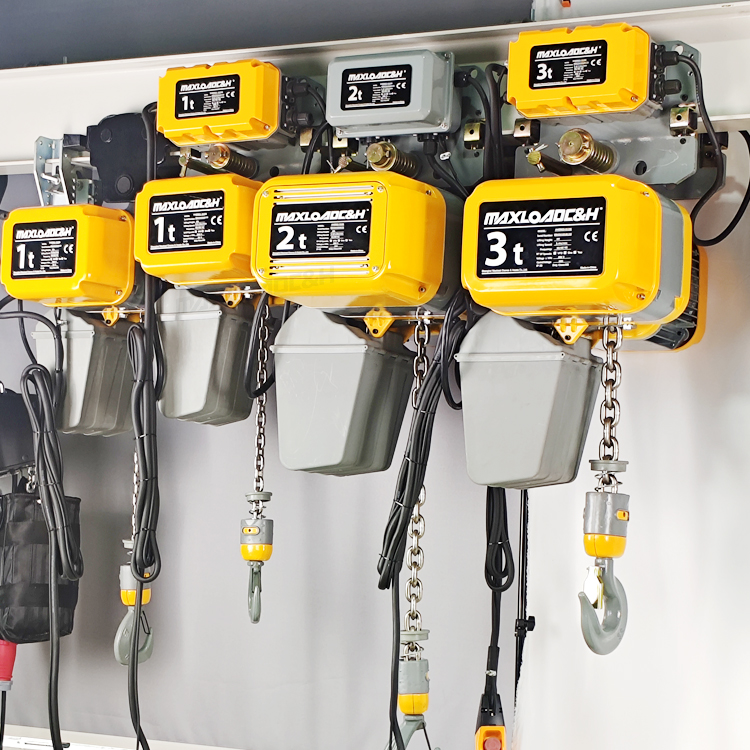
The construction industry is another important stage where electric hoists demonstrate their capabilities. In the construction of skyscrapers, they vertically transport building materials to hundreds of meters in the air; in bridge construction, huge prefabricated components are precisely positioned with their help; in interior decoration, small electric hoists even assist in installing large glass curtain walls and decorative components. Electric hoists not only improve the speed of construction but also play an irreplaceable role in ensuring construction safety.
In the port and logistics sector, the role of electric hoists is particularly prominent. In container terminals, these mechanical devices load and unload goods from all over the world with astonishing efficiency; in freight warehouses, they neatly stack goods onto shelves dozens of meters high; in ship repair yards, hundreds of tons of ship components are precisely assembled under their control. Electric hoists are like the "hands" of the logistics system, firmly controlling the flow of materials in global trade.
Of particular note is the exceptional performance of electric hoists in extreme environments. Explosion-proof electric hoists can operate safely in hazardous locations such as petrochemical plants; corrosion-resistant electric hoists can withstand the high-salt, high-humidity environment of offshore platforms; and low-temperature electric hoists can function normally in cold chain warehouses at temperatures tens of degrees below zero. The creation of these specialized electric hoists reflects the relentless expansion of engineering technology into the boundaries of human productive activities.
With technological advancements, electric hoists are rapidly developing towards intelligence, lightweight design, and high efficiency. The application of variable frequency technology makes the lifting process smoother and more precise; the popularization of wireless remote control allows operators to stay away from dangerous areas; intelligent diagnostic systems can provide early warnings of potential malfunctions; and the use of new materials reduces the weight of the equipment while increasing its load capacity. These innovations not only improve the performance of electric hoists but also redefine the safety standards and efficiency limits of lifting operations.
However, the development of electric hoists also faces challenges. How to further reduce energy consumption, how to reduce equipment size while increasing lifting capacity, and how to make the control system more user-friendly are all challenges that engineers are currently tackling. With the development of artificial intelligence and the Internet of Things technology, future electric hoists may possess autonomous decision-making capabilities, automatically adjusting operating parameters based on the characteristics of the lifted object, and even collaborating with other intelligent devices to complete complex tasks.
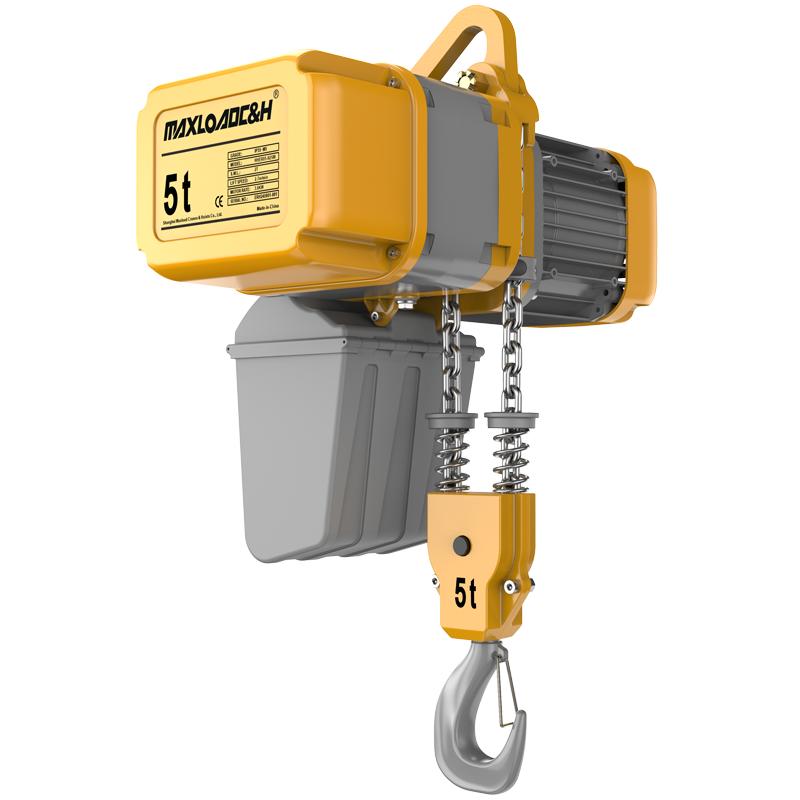
The power of electric hoists is silent, but their impact is profound. It is not merely a simple lifting tool, but a cornerstone of the modern industrial production system. In every winding and unwinding of its steel cable, in every low hum of its motor, we see not only the displacement of heavy objects, but also the ingenious mastery of the laws of gravity by human engineering wisdom, and the indispensable transmission of power in the process of industrialization.
From the initial manual hoists to today's intelligent electric hoists, the development history of this equipment reflects the progress of the entire industrial civilization. It may not appear under the spotlight of the final product, but without it, many modern industrial products would simply not exist. In this sense, electric hoists are like unsung heroes of the industrial world, supporting the material foundation of modern civilization with their strong and reliable arms.
When we look up at a completed bridge, when we drive a brand-new car, or when we use goods from all over the world, let's consider how many times electric hoists have silently completed crucial lifting operations behind these achievements. Its seemingly simple lifting and lowering motion is actually a vital link connecting design and finished products, raw materials and products, and productivity and creativity.
The story of the electric hoist tells us that true technological revolutions don't always happen in the spotlight. Sometimes, they are found in a corner of a factory. With the advent of the Industry 4.0 era, electric hoists will undoubtedly continue to evolve, participating in the construction of a more advanced material civilization in a smarter, more efficient, and safer form. And this silent force will continue to support humanity's endless dreams of exploration, creation, and construction.
 0086 156 1824 5535
 0086 156 1824 5535