High-Efficiency Collaborative Combinations in Modern Industry
In modern industrial production, warehousing and logistics, and construction, material handling is an indispensable link. How to safely and efficiently lift, move, and position heavy objects directly impacts operational efficiency and personnel safety. Electric hoists and jib cranes, as two widely used heavy lifting pieces of equipment, play irreplaceable roles in numerous scenarios due to their respective characteristics and advantages. This article will delve into the technical characteristics, application scenarios, safety operation guidelines, and how to rationally select and combine these two types of equipment based on actual needs.
Electric Hoist: A Precision Tool for Vertical Lifting
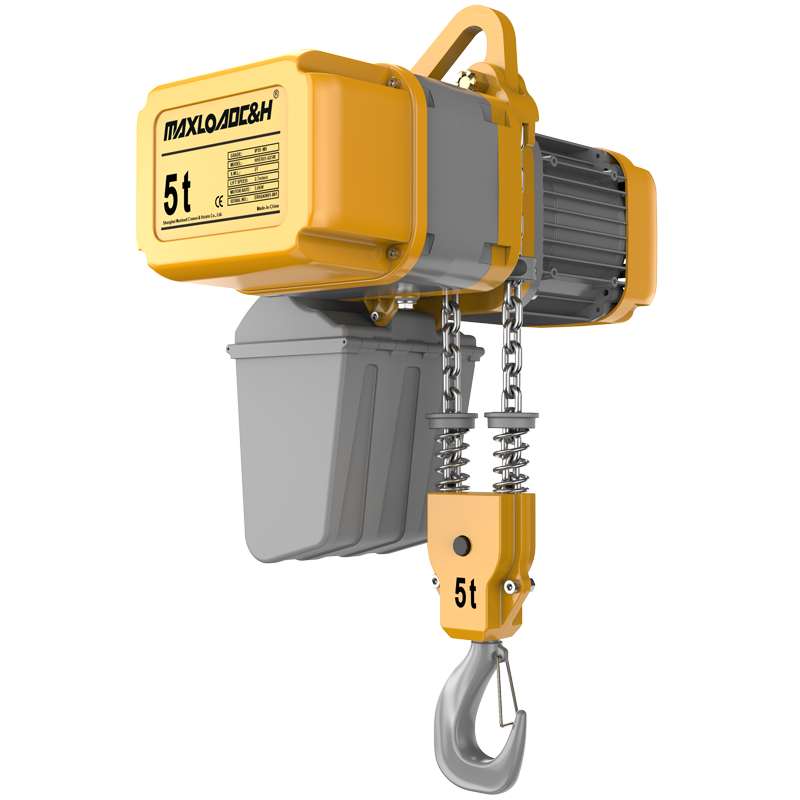
An electric hoist is a lightweight lifting device powered by electricity, which vertically lifts and lowers heavy objects by winding steel wire ropes or chains onto a drum. It typically consists of a motor, a reduction gear mechanism, a drum device, and a hook, featuring a compact structure and flexible operation.
From a technical perspective, electric hoists offer precise lifting capabilities, meeting the needs of different weight classes. Their lifting speed can be adjusted according to the model and load. Modern electric hoists are often equipped with a dual braking system—electromagnetic braking and mechanical braking—ensuring that the load can be safely stopped under any circumstances. In addition, the configuration of limit switches prevents the hook from over-rising or over-lowering, avoiding equipment damage and accident risks.
In terms of application scenarios, electric hoists are widely used in workshops, warehouses, and repair shops. On assembly lines, they are used to lift and position heavy parts; in repair workshops, they can help lift mechanical equipment; in warehousing environments, they are often used for loading and unloading goods. It is worth noting that electric hoists can be used independently or combined with various suspension systems, such as being installed on I-beams to form a bridge crane, or combined with jib cranes to form a more flexible lifting system.
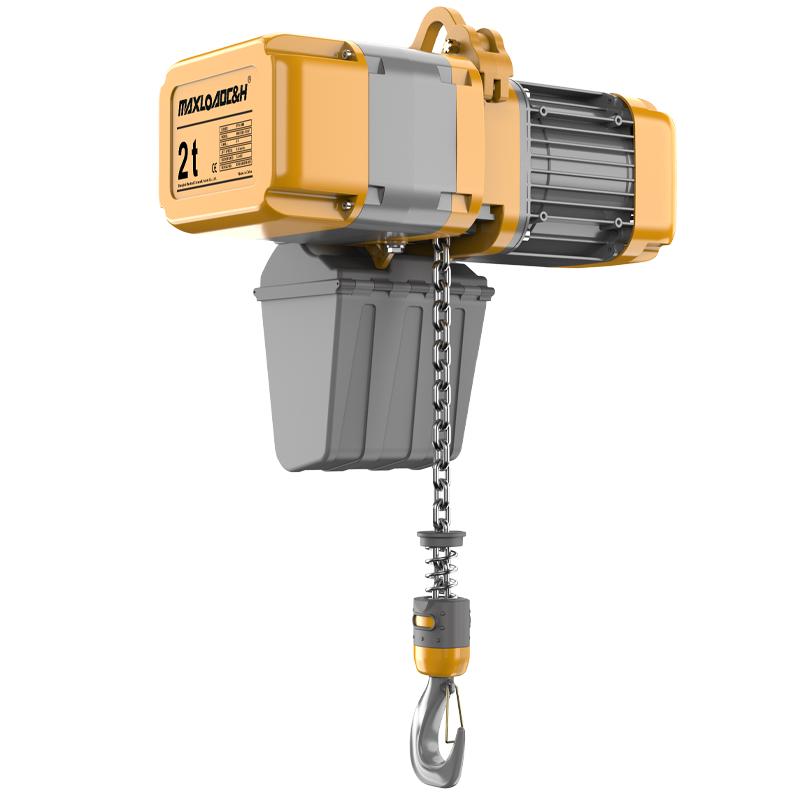
Safe operation of electric hoists requires adherence to a series of regulations. Before the operation, the equipment status must be checked, including whether the steel wire rope is damaged, whether the hook is normal, and whether the braking system is reliable. When lifting, ensure that the load does not exceed the rated lifting capacity and that the center of gravity is stable. During operation, no one should stand under the load, and movement should be smooth, avoiding sudden acceleration or deceleration. Routine maintenance includes regular lubrication, checking electrical connections, and cleaning the equipment; these measures can significantly extend the equipment's service life. Jib Cranes: Flexible Solutions in Limited Spaces
A jib crane is a lifting device that uses a cantilever structure to move heavy objects within a circular or sector-shaped area. It typically consists of a column, a jib, a slewing mechanism, and a lifting device, providing an efficient material handling solution in confined spaces.
The most significant feature of a jib crane is its flexible working range. Depending on the structure, it can be divided into column-mounted jib cranes, wall-mounted jib cranes, and balanced jib cranes. Column-mounted jib cranes are supported by a ground-fixed column, and the rotation angle can usually reach 360 degrees; wall-mounted jib cranes are fixed to a wall or structural column, suitable for working along walls; balanced jib cranes achieve balance through a counterweight system, making operation lighter and easier.
Jib cranes have a wide range of lifting capacities. Lightweight designs can handle loads of around 100 kilograms, while heavy-duty industrial jib cranes can handle several tons. The jib length is typically 1 to 6 meters and can be customized according to the specific work area. The slewing system is the core of the jib crane; high-quality slewing bearings and drive mechanisms ensure smooth rotation of the jib and precise positioning of the load.
In scenarios where workspace is limited but flexible handling is required, jib cranes demonstrate unique advantages. Next to machine tools, they can assist in loading and unloading workpieces; between production line workstations, they can transfer semi-finished products; in maintenance areas, they can precisely position components requiring repair. Especially in environments with dense workshop layouts where large overhead crane systems cannot be installed, jib cranes are almost the ideal solution.
The safe use of jib cranes also requires strict adherence to operating procedures. During installation, the foundation must be secure and able to withstand the full load and overturning moment. Before use, the jib structure should be checked for cracks or deformation, and the slewing mechanism should be checked for smoothness. During operation, care should be taken to ensure that the load does not exceed the rated capacity of the jib crane, and sudden starts and stops should be avoided to prevent excessive inertial forces. Regularly checking the wear of structural connectors, slewing mechanisms, and lifting devices, and promptly replacing damaged parts, is crucial for ensuring long-term safe operation.
A Smart Combination for Improved Material Handling Efficiency
In many practical work scenarios, electric hoists and jib cranes are not used independently, but rather form a collaborative system. This combination fully utilizes the vertical lifting capabilities of the electric hoist and the horizontal coverage advantages of the jib crane, creating a more flexible and efficient material handling solution.
A typical configuration involves mounting the electric hoist on the trolley of the jib crane. This allows for coverage of a wide working area through the jib crane's rotation and travel functions, while also utilizing the electric hoist for precise vertical positioning. For example, in a machining workshop, this combination can quickly transfer workpieces between machine tools, workbenches, and storage areas; in an assembly area, it can accurately deliver components to the assembly location.
When used in combination, the technical parameters of both devices need to be properly matched. The lifting capacity of the jib crane must be greater than or equal to the maximum lifting capacity of the electric hoist to ensure structural safety. At the same time, the rotation radius of the jib crane and the lifting height of the electric hoist should be considered to ensure coverage of the required workspace. The electrical control system can also be integrated for unified operation and improved work efficiency.
Safety considerations for the combined system are more complex. In addition to their individual safety requirements, special attention must be paid to the coordination between the two. Operators must receive specialized training to understand the overall working principle of the system and emergency response procedures. Daily inspections should include the security of connections, the coordination of electrical controls, and the absence of obstacles along the entire movement path.
Conclusion
Electric hoists and jib cranes, as key equipment in modern material handling, each possess unique advantages and can form an efficient collaborative system. Understanding their technical characteristics, mastering safe operating procedures, and selecting and combining them appropriately according to actual needs will not only improve work efficiency but also ensure operational safety. With the development of industrial automation and intelligence, these traditional devices are constantly integrating new technologies, giving them renewed vitality. Both now and in the future, the proper application of lifting equipment will be a crucial aspect of improving industrial productivity and ensuring safe production. In practical applications, companies should choose the most suitable equipment and configuration based on their needs, while also emphasizing operator training and safety awareness, so that these powerful tools truly become assets rather than liabilities in the workplace.
 0086 156 1824 5535
 0086 156 1824 5535