Electric Hoists: A Comprehensive Guide to Industrial Lifting
In the grand narrative of modern industry, the precise lifting of heavy, large workpieces and the effortless movement of tons of raw materials—scenes that seem incredible—have become commonplace. In this protracted battle against gravity, the electric hoist is undoubtedly the unsung hero. As a core component of overhead cranes, gantry cranes, and single-girder cranes, it converts electricity into a powerful lifting force, becoming an indispensable piece of mechanized equipment in mining, warehousing, logistics, and even construction.
This article will take you on a deep dive into all aspects of this "industrial powerhouse," from structural principles to selection criteria and daily maintenance, providing you with a comprehensive usage reference.
I. The "Big Family" of Electric Hoists: Electric hoists are not a single product. Based on their structure and working principles, they are mainly divided into two categories: wire rope electric hoists and chain electric hoists.
1. Wire Rope Electric Hoists: The Steady "Powerhouse"
This is currently the most widely used type. It uses wire rope as a flexible lifting component, and a motor-driven drum winds up and unwinds the wire rope to achieve lifting. It has a compact structure and a wide lifting capacity range. It is available in single-speed and dual-speed lifting types to meet the precision requirements of different working conditions. Due to its mature technology, stable operation, and high safety, it is commonly used on bridge cranes and gantry cranes, and is a mainstay in workshops, warehouses, and docks.
2. Electric Chain Hoist: A Dexterous "All-Rounder"
Unlike wire rope hoists, electric chain hoists use high-strength round links as the load-bearing component. It is smaller and lighter, but often has a higher load-bearing capacity for the same weight. Its biggest advantage is its portability and ease of installation, making it particularly suitable for space-constrained locations, such as small workstations, scaffolding lifting on construction sites, and even group lifting operations of large oil tanks. Its lifting speed is slower, but its positioning is precise, making it particularly outstanding in modern production lines and assembly lines.
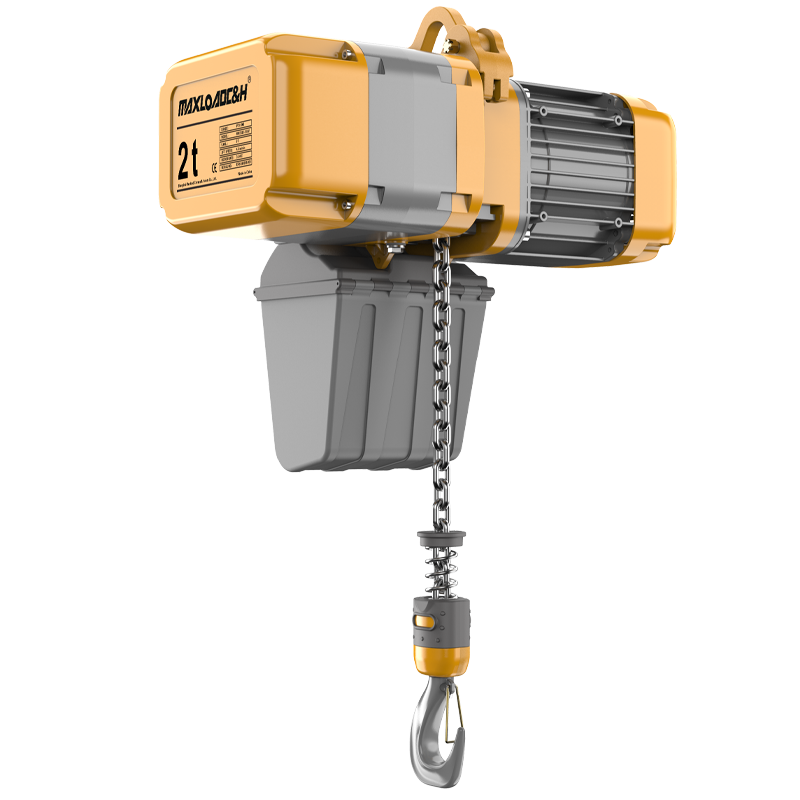
II. Core Structure and "Black Technology" Principles
A high-quality electric hoist is a masterpiece of mechatronics. Its core components work together to ensure safe and efficient hoisting.
The Power Heart – Conical Rotor Motor
This is the most iconic design feature of electric hoists. Ordinary electric motors require an additional brake for braking, while the conical rotor motor cleverly combines power and braking force into one. When the motor is energized, the rotor generates axial magnetic pull in the magnetic field, compressing the spring, releasing the brake, and the motor begins to rotate. When the power is cut off, the magnetic pull disappears instantly, the compressed spring pushes the rotor back to its original position, and the brake immediately engages, achieving instantaneous braking. This electromechanical integration design ensures that heavy objects will not fall freely in the event of a sudden power outage, greatly improving safety.
Transmission and Load Bearing
Power is precisely transmitted to the drum or sprocket through a reducer. These gears are made of high-strength alloy steel, heat-treated for wear resistance and impact resistance. For wire rope electric hoists, the wire ropes mostly adopt a line-contact structure, adhering to national standards to ensure durability under repeated bending and friction.
III. How to Choose the Right Model: The Best One is the Right One
Faced with electric hoists from different manufacturers and with varying parameters, how should users make an informed choice? Besides the budget, the following technical parameters and considerations are crucial:
Working Conditions and Working Class: This is the most easily overlooked point. Electric hoists have clearly defined working classes, representing the frequency and severity of the load they bear. For occasional maintenance work, a medium-duty hoist is sufficient; however, for continuous operation in metallurgical or heavy machinery processing workshops where the load frequently reaches the rated value, a heavy-duty model must be selected, or a medium-duty hoist should be used at a reduced capacity.
Lifting Height and Speed: Determine the lifting height based on the factory height and operational requirements. Lifting speed affects work efficiency. For applications requiring precision assembly, a dual-speed hoist or one with frequency converter control can be selected for slow positioning.
Control Method: Currently, the mainstream control methods are manual electric switch operation and wireless remote control. Wireless remote control allows the operator to be in the best observation position, avoiding blind spots and improving operational safety and flexibility.
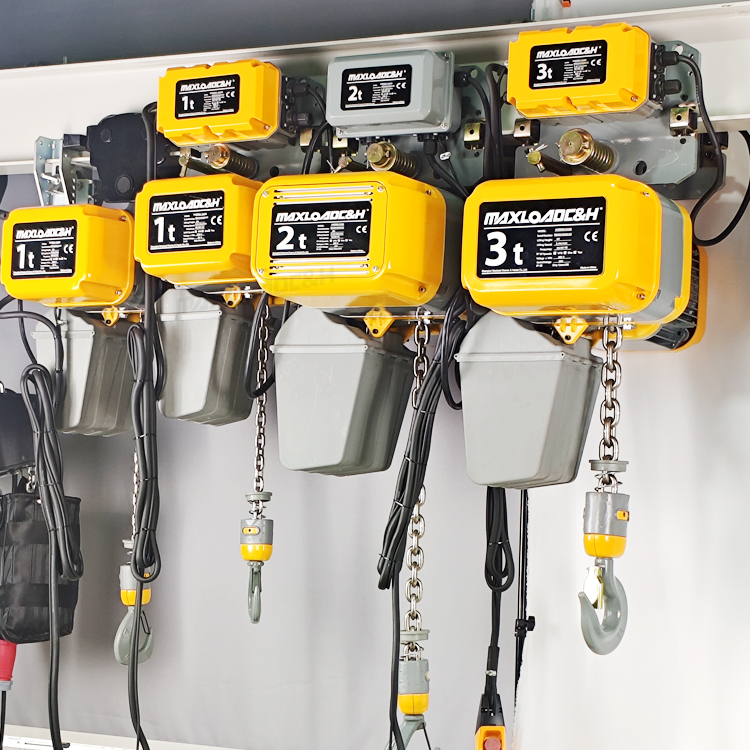
IV. Safety is Paramount: A "Mandatory Course" in Use and Maintenance
Electric hoists may be small, but they lift heavy objects and bear the responsibility of safety. Proper use and meticulous maintenance are essential for extending their lifespan and preventing accidents.
Pre-operation "Three Checks":
Check the wire rope/chain: Inspect for broken wires, indentations, twisting, or overlapping; ensure lubrication is adequate.
Check the brakes and limit switches: Conduct a no-load test, listen for abnormal noises from the motor and reducer, and briefly check the sensitivity and reliability of the upper and lower limit switches. Ensure the hook's sliding distance is within the allowable range when braking.
Check the hook and suspension: The hook should rotate freely, the stop nut should be tight, and the hook pulley should not be jammed.
During operation, "Strict Prohibitions":
Overloading is strictly prohibited: The rated load on the nameplate is the absolute limit; overloading is never allowed.
Strictly prohibit tilting or lifting: This will not only cause the wire rope to derail but also damage the hoist structure and may even cause the entire machine to overturn.
Standing under heavy objects is strictly prohibited, as is using limit switches to stop the machine, and pressing two buttons in opposite directions simultaneously is strictly forbidden.
Periodic Inspections: It is recommended that a dedicated person conduct a comprehensive inspection of the electric hoist weekly. Pay special attention to the safety number of turns of the wire rope on the drum to prevent disengagement. Keep all transmission components clean and well-lubricated, but never apply oil to the wire rope by hand while the equipment is running.
Furthermore, it is worth noting that national quality requirements for lifting machinery are becoming increasingly stringent. The industry is implementing quality grading standards, classifying electric hoists into qualified, superior, and even special grades, aiming to guide higher prices based on quality through technical indicators. For buyers, understanding this trend and choosing higher-grade products means obtaining greater reliability, longer service life, and lower overall operating costs.
Conclusion:
As the cornerstone of modern industrial logistics, electric hoists, with their small size, light weight, and ease of operation, have greatly liberated productivity. Whether used as part of a crane or as a standalone lifting tool, a thorough understanding of its characteristics, scientific selection, and standardized operation is essential to ensuring this "industrial powerhouse" creates maximum value for your company while prioritizing safety. We hope this article will serve as a valuable guide on your material handling journey.
 0086 156 1824 5535
 0086 156 1824 5535