Precise Selection, Enhanced Safety and Efficiency
In the grand narrative of modern industrial production, lifting equipment, while not the most dazzling "protagonist," is the "cornerstone" determining production efficiency and safety standards. From precision machining workshops to high-risk chemical industrial parks and heavy-duty steel docks, electric hoists, with their compact structure and high efficiency, have become core equipment in material handling.
However, not all hoists are suitable for complex and diverse working environments. This article will delve into the technical characteristics and application scenarios of general-purpose electric hoists, explosion-proof electric hoists, and wire rope electric hoists to help you build a scientific equipment selection logic.
I. Highly Efficient "Versatile" in Industrial Production
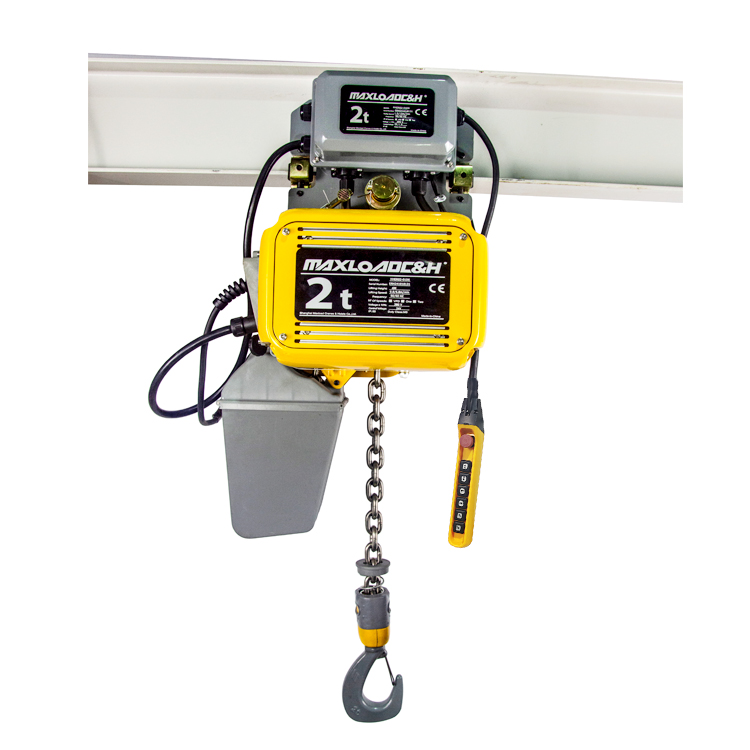
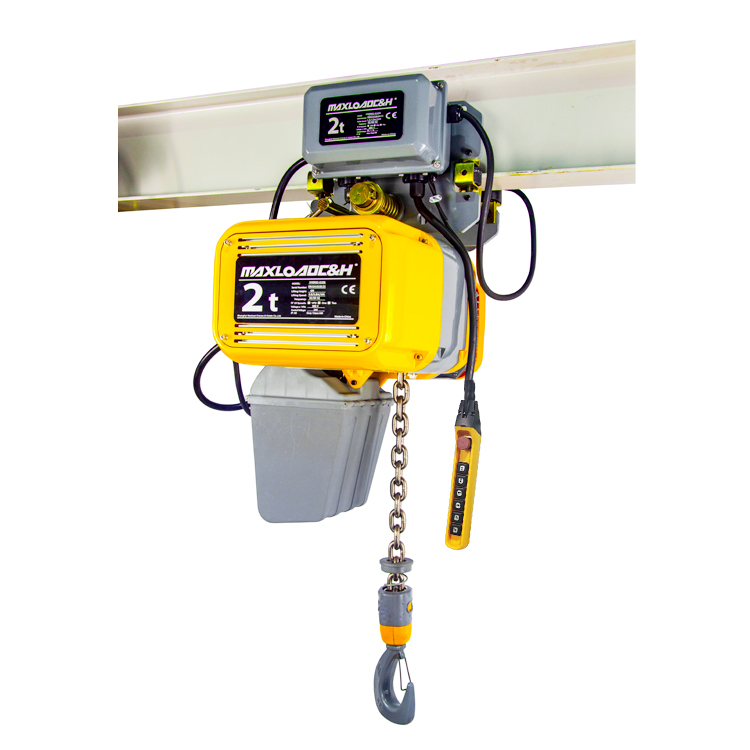
General-purpose electric chain hoists or wire rope hoists are the most common lifting equipment in modern factories. They typically consist of a motor, reducer, drum or sprocket, and hook assembly, using electricity to achieve vertical lifting and horizontal movement of heavy objects.
Core Application Areas:
Machinery Manufacturing and Assembly: In machine tool processing areas and assembly lines, general-purpose electric hoists are commonly used for lifting engine parts, large molds, or semi-finished products. Their precise positioning capabilities significantly reduce the risk of workpiece collisions and improve assembly accuracy.
Warehousing and Logistics: In automated warehouses or material transfer areas, electric hoists, in conjunction with single-girder or double-girder cranes, can quickly complete the inbound and outbound turnover of goods. For frequent operations with small to medium tonnage loads, electric hoists exhibit extremely high response speeds.
Repair and Maintenance: In heavy equipment maintenance areas of power plants and cement plants, electric hoists serve as inspection and lifting points, undertaking the heavy task of disassembling heavy components such as rotors and motors.
Key Selection Points:
When selecting general-purpose electric hoists, users should focus on the working level. The working level directly reflects the equipment's workload and load utilization. Using a hoist with a low working level for high-frequency, full-load continuous operation will accelerate gear wear and motor aging, significantly shortening the equipment's lifespan.
II. "Safety Guardians" in High-Risk Environments
When flammable gases, vapors, or dust are present in the working environment, the electrical sparks or high-temperature surfaces generated by ordinary electrical equipment during operation can easily trigger catastrophic explosions. In such cases, explosion-proof electric hoists become the only compliant and safe option.
Explosion-proof hoists are not simply "sealed," but rather a system engineering project that adheres to strict explosion-proof standards in both materials and structure.
Core Technological Barriers:
Explosion-proof Electrical Components: Motors, electrical control boxes, limit switches, etc., all use explosion-proof enclosures. Even in the event of an internal explosion, the enclosure can withstand pressure and prevent the flame from spreading to the external environment.
Temperature Limiting Technology: The maximum surface temperature of the equipment must be lower than the ignition temperature of the flammable medium. Special thermal protection and heat dissipation designs prevent dangerously high temperatures caused by friction or overload.
Spark-Free Materials: Components prone to mechanical friction, such as hooks, wire rope guides, and gears, typically use spark-free materials such as copper alloys or stainless steel, eliminating ignition sources at the physical source.
Typical Application Scenarios:
Petrochemical Industry: Equipment maintenance or catalyst hoisting in refining and storage tank areas.
Fine Chemicals and Pharmaceuticals: Production workshops involving flammable solvents such as alcohol and toluene.
Dust Environments: Locations with explosive dust, such as flour mills, painting workshops, and coal processing systems.
Selection Warning: The selection of explosion-proof hoists must strictly adhere to the classification of hazardous areas. According to the national standard GB3836, the requirements for explosion-proof ratings vary significantly between different areas. Never attempt to replace explosion-proof equipment with ordinary hoists; such "pseudo-explosion-proof" behavior often comes with significant safety hazards and legal risks.
III. The "Ace" for Heavy Load and High Lift
While chain hoists are popular in small equipment due to their portability, wire rope electric hoists consistently dominate in demanding working conditions requiring large tonnage, high lift, and high operating levels, thanks to their unique structural advantages.
Structural Advantages Analysis: Wire rope electric hoists use wire rope as the load-bearing component, which, compared to chains, offers greater tensile strength and a longer trouble-free service life. Their core advantages are reflected in the following three aspects: large tonnage load capacity; the structure of the wire rope makes it more suitable for large-tonnage lifting. Currently, the single-unit lifting capacity of wire rope electric hoists can cover a range from 1 ton to over 100 tons, while ordinary chain hoists significantly increase in size and weight above 20 tons, becoming uneconomical.
Sexual Performance:
Adaptability to High Lifting Requirements: In hydropower stations, high-rise building construction sites, or deep-well mining, lifting heights often exceed tens or even hundreds of meters. Wire rope hoists can easily achieve high lifts by increasing the drum's rope capacity, and the lifting speed is more stable.
Excellent Heat and Wear Resistance: In high-temperature and dusty environments such as metallurgy and casting, wire ropes are more resistant to high-temperature radiation than chains. Furthermore, by equipping them with wire rope lubrication devices, wear can be effectively reduced, extending the replacement cycle.
Special Application Scenarios:
Iron and Steel Metallurgy: Lifting high-temperature steel billets and molten iron ladles.
Hydraulic Engineering: Gate opening and closing systems requiring long-term stable load bearing and corrosion resistance.
Shipbuilding: Turning over and lifting sections of ship hulls, with extremely high requirements for synchronization and impact load-bearing capacity.
IV. Comprehensive Application Strategy: How to Make the Optimal Choice?
In actual factory planning or equipment upgrades, when faced with these three technical routes, enterprises should not only focus on procurement costs, but should conduct a comprehensive evaluation from three dimensions: safety, applicability, and total life cycle cost.
1. Environmental Safety is the First Red Line
If the working conditions are in an explosion-proof area, do not hesitate to choose an explosion-proof electric hoist. It is recommended to introduce a lifting solution provider with explosion-proof qualifications during the project design phase to ensure that the whole machine obtains the national explosion-proof certificate (including the explosion-proof electrical equipment certificate and the whole machine consistency certification), avoiding safety acceptance failures due to equipment being used without proper certification.
2. Operating Frequency Determines "Constitution"
For heavy manufacturing workshops with busy daily operations and long hours of full-load operation, prioritize high-performance wire rope electric hoists. Although the initial investment is slightly higher, their durable gearbox structure and stronger motor heat dissipation capacity can effectively reduce the failure rate. For maintenance workstations or occasions with extremely low usage frequency, standard-level electric hoists are sufficient, without the need for excessive configuration.
3. The Trend of Intelligent Integration
With the advancement of Industry 4.0, modern electric hoists are no longer just "lifting tools." More and more application scenarios require the equipment to possess:
Intelligent Monitoring: Real-time display of load weight, automatic recording of cumulative running time, and warnings of overload and oblique pulling.
Remote Control: In explosion-proof areas or high-risk environments, remote control via wireless control or remote operation from a central control room enables separation of human and machine.
Precise Synchronization: Multi-hoist linkage control for the synchronous lifting of large, irregularly shaped workpieces, solving the problem of unstable single-point lifting.
Conclusion
From general workshop handling to stringent protection... From harsh environments to extreme heavy-duty, high-lift applications, electric hoists, explosion-proof electric hoists, and wire rope electric hoists each have their irreplaceable "main battlegrounds."
For independent hoist operators or purchasing decision-makers, understanding the underlying technological logic and application boundaries of these three types is far more important than simply comparing prices. The right selection can not only significantly improve production efficiency but also build a solid barrier for safe production. In future hoisting equipment planning, we recommend that you prioritize "safety and compliance" and focus on "scenario adaptability" to choose the hoisting solution best suited to your actual working conditions.
 0086 156 1824 5535
 0086 156 1824 5535